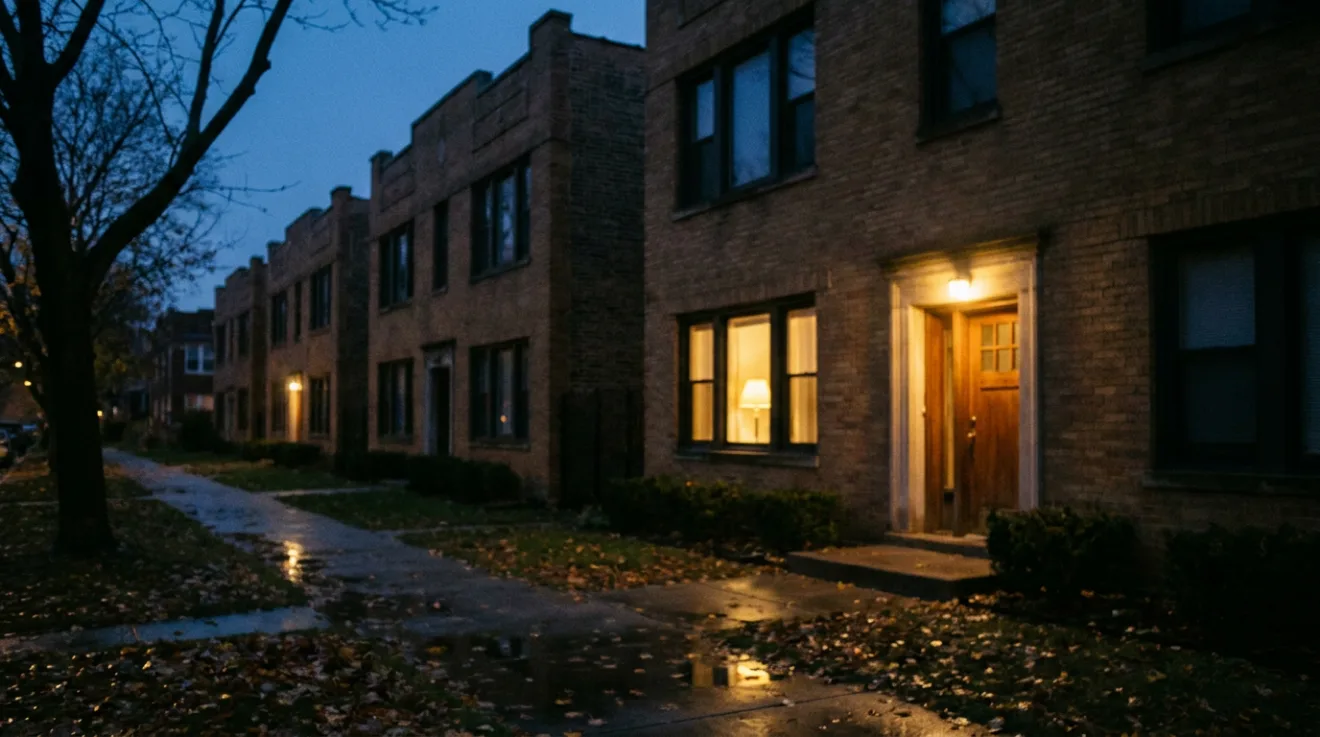
A prospect who finds an available two-bedroom at 10:15 on a Tuesday night is not thinking about your staffing schedule. They are comparing homes, checking rent ranges, and deciding which property feels easiest to work with. If their question sits unanswered until morning, the unit may still be available, but the moment is gone.
That is why after-hours leasing inquiry handling deserves more than a generic auto-reply. The goal is not to make leasing staff work around the clock. It is to leave the light on for qualified prospects while protecting your team's time, standards and judgment.
Why after-hours leads need a real response
Leasing demand does not arrive neatly between 9 and 5. Prospects search after work, during a commute, on weekends, and when a roommate finally sends a listing worth discussing. Many are writing to several communities at once. The first property to give a useful, accurate answer has an advantage before a showing is ever booked.
An acknowledgment email that says "We received your message and will respond soon" confirms receipt. It does not move the lease forward. A real response answers the question that prompted the inquiry, shares the relevant availability, and gives the prospect a clear next step.
For a leasing team, the trade-off is real. Asking onsite staff to watch messages late at night creates burnout and inconsistency. Leaving every message for the next business day creates avoidable leakage. The better model is an always-on front door with defined boundaries: software handles the repetitive, approved conversations, and people take over when context, discretion or a relationship is required.
What good after-hours leasing inquiry handling looks like
The experience should feel responsive, not robotic. A prospect asking whether a community accepts pets should get an answer based on the property's actual policy, not a vague promise that someone will follow up. Someone asking about a $2,100 listing should see current rent guidance and understand whether the home fits their move-in timeline.
That takes more than a chatbot on a website. Your after-hours workflow should connect to the information that shapes leasing decisions: active listings, pricing, availability, amenities, pet policies, qualification rules, calendars and application steps. It should also cover every place inquiries come from, including listing sites, website forms, text messages and email.
The system also needs rules. Leasing teams should decide what it can discuss, what it should ask, and when it must escalate. A controlled assistant can follow your approved tone and property-specific screening criteria without improvising on sensitive questions or making promises outside your policy.
Respond with context, not a canned message
Speed matters most when it comes with relevance. An immediate response should name the home or community the prospect asked about, address the stated question, and invite the next action.
If a prospect asks whether a unit is available for a move-in next month, the conversation can confirm the expected availability, ask for a target move-in date, and offer showing times that fit. If the prospect is looking for a specific school district, accessibility feature or lease term, the assistant should stay within approved information and route the questions that need a human answer.
The point is not to force every person through the same script. It is to gather useful intent while the prospect is engaged. That gives your team a stronger handoff in the morning and spares staff from reopening every conversation with "How can I help?"
Qualify early without making it cold
After-hours engagement should help teams focus on prospects who can realistically move forward. Asking about move-in timing, bedroom count, household needs, pets and budget can clarify fit before a showing takes up staff time.
Qualification has to be configured carefully. Property-specific rent ranges, income requirements, occupancy standards and other approved criteria should guide the conversation. Fair housing rules apply to every message, and so does a clear escalation path for questions the system should not answer.
A good workflow is direct but respectful. It explains why a question is being asked when that helps, avoids assumptions, and lets the prospect continue toward a showing when they fit the stated criteria. If they do not, the reply should stay professional and consistent with your team's policies.
Turn interest into a scheduled showing
A qualified lead is valuable. A qualified lead with a confirmed showing is much closer to a lease. That is why scheduling cannot be an afterthought in after-hours inquiry handling.
Your workflow should present real appointment options from the correct property calendar, collect the details required for the showing, and send the confirmation and reminder messages. If a property uses self-guided showings, agent-led appointments or different rules by community, the scheduling logic needs to reflect those differences.
Not every prospect will book right away. Persistent, appropriate follow-up matters. A prospect who reads a late-night reply but does not pick a time may need a helpful message the next day with fresh options. Follow-up should stop or change course when a person replies, opts out, applies, or is handed to a leasing professional. Automation without awareness becomes noise.
Keep humans in charge of the moments that need humans
Leasing is not only a calendar problem. Prospects may have an unusual employment situation, a detailed question about a home, a concern after a prior rental experience, or a request that needs local knowledge. Those conversations deserve professional judgment.
A well-run system does not hide those situations. It flags them. Leasing staff should get a clear view of the conversation history, the questions asked, the qualification details, and the reason for the escalation. That lets a team member step in without asking the prospect to repeat themselves.
This is also where operators should resist the urge to automate every interaction. Some communities have complex availability, renovation schedules, concession rules or compliance requirements. Others have enough straightforward inventory that automated scheduling handles most early conversations. It depends on the portfolio, but control stays with the operator either way.
Tallo is built around that principle: an AI leasing assistant can handle engagement, qualification, follow-up and scheduling while leasing teams set the guardrails and keep authority over exceptions and decisions.
Measure whether your after-hours process is creating leases
The right metric is not how many messages got an automated reply. Track response time by lead source and time of day, then follow the funnel: engaged conversations, qualified prospects, scheduled showings, completed showings, applications and signed leases.
Compare leads received outside business hours with those received during staffed hours. If after-hours leads engage but do not schedule, your replies may lack a clear call to action or calendar availability. If showings are scheduled but no-shows rise, your reminders or qualification questions may need adjusting. If applications stall, the handoff from showing to application may be the weak point.
Operational reporting should also show your team what the automation is carrying. Look at the volume of questions answered, follow-up attempts completed, escalations created, and staff hours redirected to the human work: resolving exceptions, building trust, closing leases and supporting new residents.
Build for consistency, then improve from real conversations
Start by writing down the decisions your team already makes over and over: what prospects can ask after hours, which listing details must always be current, what qualifies someone for a showing, which questions require a person, and where escalations go the next morning and who owns them.
Then test the experience with real prospect scenarios. Ask about pets, pricing, availability, move-in dates, application requirements, showings, and questions that should trigger an escalation. Review the answers for accuracy, tone and compliance. The work is ongoing because listings, policies, staffing and market conditions change.
A strong after-hours process does not ask your leasing team to be everywhere at once. It gives every serious prospect a helpful next step while preserving the care, judgment and accountability that turn a scheduled showing into a new resident.